








AI-powered websites in Singapore are transforming how businesses engage customers in a highly competitive digital market. By integrating artificial intelligence into web design and functionality, companies can deliver personalized user experiences, intelligent chat support, predictive product recommendations, and data-driven optimization in real time. From SMEs to large enterprises, Singapore businesses are leveraging AI to improve conversion rates, streamline operations, and adapt quickly to user behavior. As a global tech and innovation hub, Singapore’s adoption of AI-driven web solutions reflects a strong focus on efficiency, trust, and future-ready digital experiences that align with evolving customer expectations.
Beyond personalization, AI-powered websites in Singapore are increasingly focused on performance and scalability. Machine learning tools help analyse user journeys, automate A/B testing, optimize page layouts, and enhance SEO outcomes with minimal manual effort. AI also strengthens security through fraud detection and behavior analysis, which is especially important for e-commerce and fintech platforms. As regulations and user expectations evolve, businesses in Singapore are using AI-driven websites not just to look modern, but to build smarter, more resilient digital ecosystems that support long-term growth.
1. Introduction: Why AI-Powered Websites Matter in Singapore
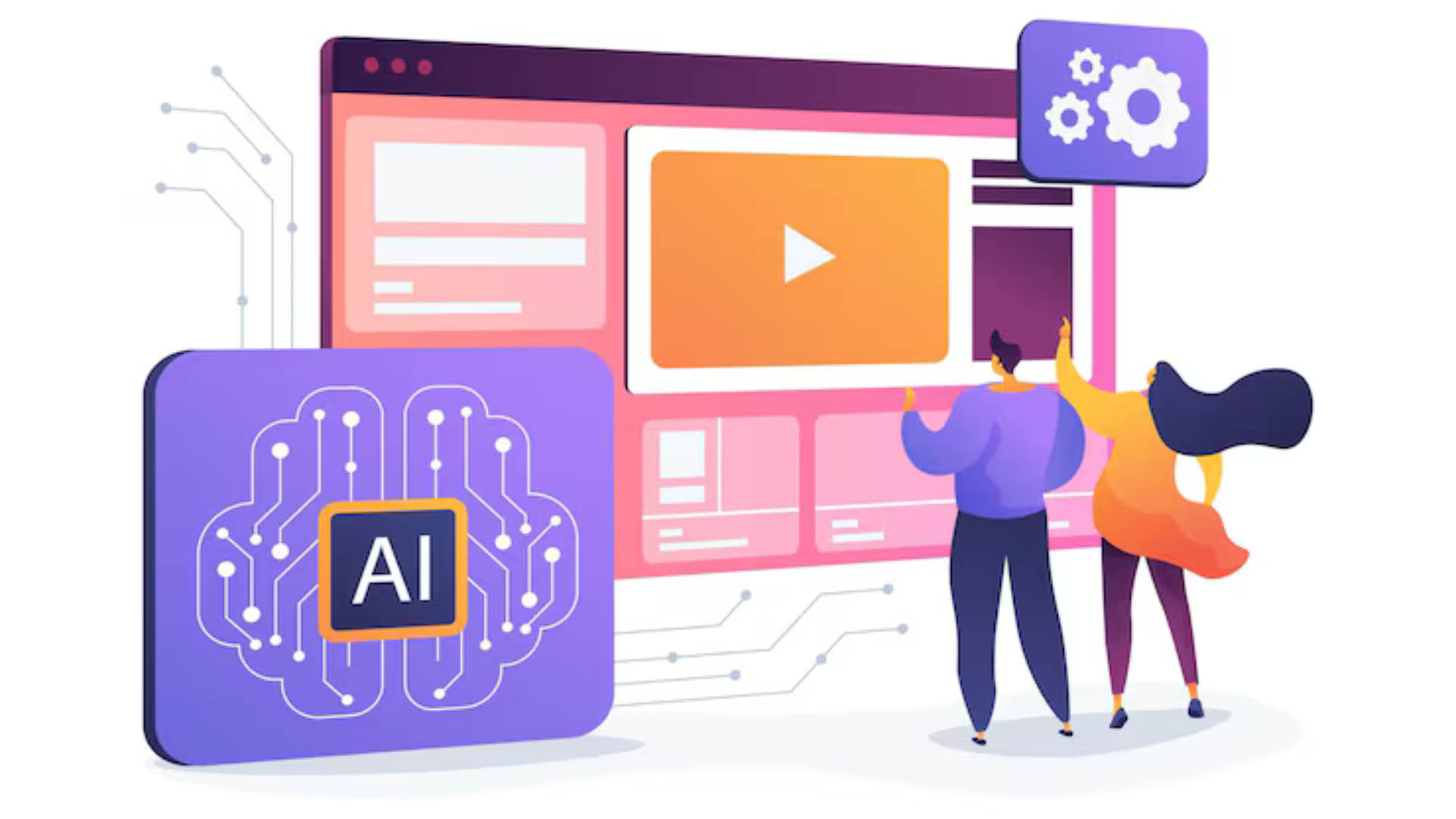
An AI-powered website is a website that uses artificial intelligence technologies (such as machine learning, natural language processing, or data analytics) to automatically adapt, personalize, or respond to users instead of only showing fixed, pre-programmed content.
In simple terms, it’s a website that can learn from user behavior and make smart decisions.
Key characteristics of an AI-powered website:
Personalization: Adjusts content, recommendations, or layout based on user preferences or past activity
Automation: Uses AI to handle tasks like chatbots, form responses, or customer support
Learning ability: Improves over time as it processes more data
User interaction: Can understand text, voice, or behavior and respond intelligently
Examples:
A website with a chatbot that answers questions in real time
Online stores that recommend products based on browsing history
Learning platforms that adapt lessons to a student’s progress
In short, an AI-powered website goes beyond static pages by thinking, learning, and responding intelligently to users.
2. What Is an AI-Powered Website?
An AI-powered website is a website that uses artificial intelligence to analyse user behavior and automatically adapt its content and interactions. It is designed to deliver smarter, more personalized, and more efficient user experiences.
Key features include:
Uses artificial intelligence technologies such as machine learning and data analytics
Analyzes visitor behavior and preferences in real time
Personalizes content, layouts, and recommendations for each user
Automates customer support through AI chatbots and virtual assistants
Learns and improves continuously based on user interactions
Helps increase engagement, conversions, and overall website performance
This makes AI-powered websites more dynamic, responsive, and effective than traditional static websites.
3. How Businesses in Singapore Are Using AI on Their Websites
How Singapore Businesses Use AI on Websites
Primary Goal: Boost customer experience, sales, and efficiency.
Main Uses:
Smart Chatbots – 24/7 customer service & sales (banks, e-commerce).
Personalized Recommendations – Tailored products & content (Shopee, travel sites).
AI Search – Understands local intent and Singlish.
Content Automation – Generates product descriptions & blogs in multiple languages.
Key Sectors:
Finance (DBS), real estate (PropertyGuru), healthcare, retail, and government (LifeSG).
Why: Driven by Smart Nation initiative, tech-savvy users, and competition.
Challenges: Data privacy (PDPA), cost for SMEs, localizing AI for context.
In short: AI makes Singapore business websites smarter, faster, and locally relevant.
4. Benefits of AI-Powered Websites
Benefits of AI-Powered Websites
Personalized User Experience: Delivers tailored content, product recommendations, and dynamic layouts for each visitor.
24/7 Intelligent Support: Provides instant assistance and resolves queries through AI chatbots and virtual assistants, improving customer satisfaction.
Increased Conversion & Sales: Uses smart prompts, guided selling, and personalized journeys to significantly boost lead generation and sales.
Operational Efficiency & Cost Savings: Automates routine tasks in customer support, content generation, and data analysis, reducing manual workload and costs.
Data-Driven Insights & Decisions: Leverages predictive analytics and user behavior analysis to uncover trends, forecast needs, and support strategic business decisions.
Competitive Market Advantage: Creates a faster, smarter, and more adaptive digital presence that sets a business apart as innovative and customer-centric.
In short: AI transforms a static website into an intelligent, efficient, and continuously improving business asset that drives growth and enhances user engagement.
5. AI and User Experience (UX) Design
AI enhances UX design by making websites more intuitive, accessible, and personalized.
Dynamic layouts
AI adjusts page elements based on how users interact, improving usability.Segmented experiences
Different content and navigation are shown to new vs returning visitors.Accessibility improvements
AI tools help tailor features for users with disabilities.Mobile optimization
AI ensures fast, responsive designs that work well on smartphones and tablets.
Bottom line:
AI transforms UX design from one-size-fits-all to a personalized, smooth journey that delights diverse users.
6. Challenges and Considerations
High Cost & Complexity – Developing and maintaining AI-powered websites requires significant investment and skilled AI professionals, which can be costly for many businesses.
Data Privacy & Compliance – Singapore’s strict PDPA regulations demand careful handling of user data, requiring large, clean datasets and stringent privacy controls.
Bias & Ethical Concerns – AI systems can inherit biases from data, leading to unfair outcomes; explaining AI-driven decisions remains challenging due to the “black box” nature of some models.
User Experience Issues – Overly automated interactions like chatbots may frustrate users if they lack smooth escalation paths to human support, impacting satisfaction.
Security Vulnerabilities – AI-powered sites can be susceptible to novel threats such as data poisoning or adversarial attacks, posing risks to data integrity and user trust.
Measuring Effectiveness – Defining clear objectives and accurately tracking the return on investment (ROI) for AI implementations can be difficult, complicating ongoing improvement.
Key takeaway: To overcome these challenges, Singaporean organizations must prioritise clear goal-setting, robust data governance, continuous system monitoring, and maintain a strong human element in AI interactions.
7. The Future of AI-Powered Websites in Singapore
Singapore will lead in smarter, predictive websites that act like autonomous digital partners.
Key Trends:
Predictive Personalization – Sites will anticipate needs before users search.
Voice & Multimodal AI – Voice search (even in Singlish) and blended chat/visual interfaces.
Hyperlocal AI – Neighborhood-level personalization, dynamic local offers.
Generative AI – Real-time personalized content and virtual brand assistants.
Sovereign AI Models – Localized AI trained on SEA data for better relevance and PDPA compliance.
Challenges:
Talent gap, ethical AI governance, and infrastructure needs.
Outlook: Websites will evolve from smart tools into proactive, context-aware platforms essential for engagement in Singapore’s digital-first economy.
8. Conclusion
In Singapore, AI-powered websites represent an intelligent digital ecosystem that leverages artificial intelligence to provide hyper-personalized, efficient, and data-driven experiences tailored to the country’s digitally savvy population and strict privacy regulations. These websites serve as the operational backbone of the Smart Nation initiative, transforming traditional web platforms into proactive, predictive, and adaptive interfaces that benefit both businesses and users alike.
Key Attributes in the Singapore Landscape:
Culturally relevant – Integrates Singlish, local customs, and complies with PDPA guidelines.
Industry-focused – Prominently used in finance, e-commerce, public services, and real estate.
Real-time adaptive – Continuously anticipates and responds to user needs with precision.
Looking Ahead:
Shifting from basic automation to autonomous digital partners, these AI-powered websites will fuel innovation through predictive personalization, voice interaction, and sovereign AI models, securing Singapore’s leadership in practical, user-centric AI deployment.
In summary, AI-powered websites in Singapore are more than just technological upgrades—they are a strategic necessity for driving engagement and sustaining growth in one of the world’s most competitive digital economies.